

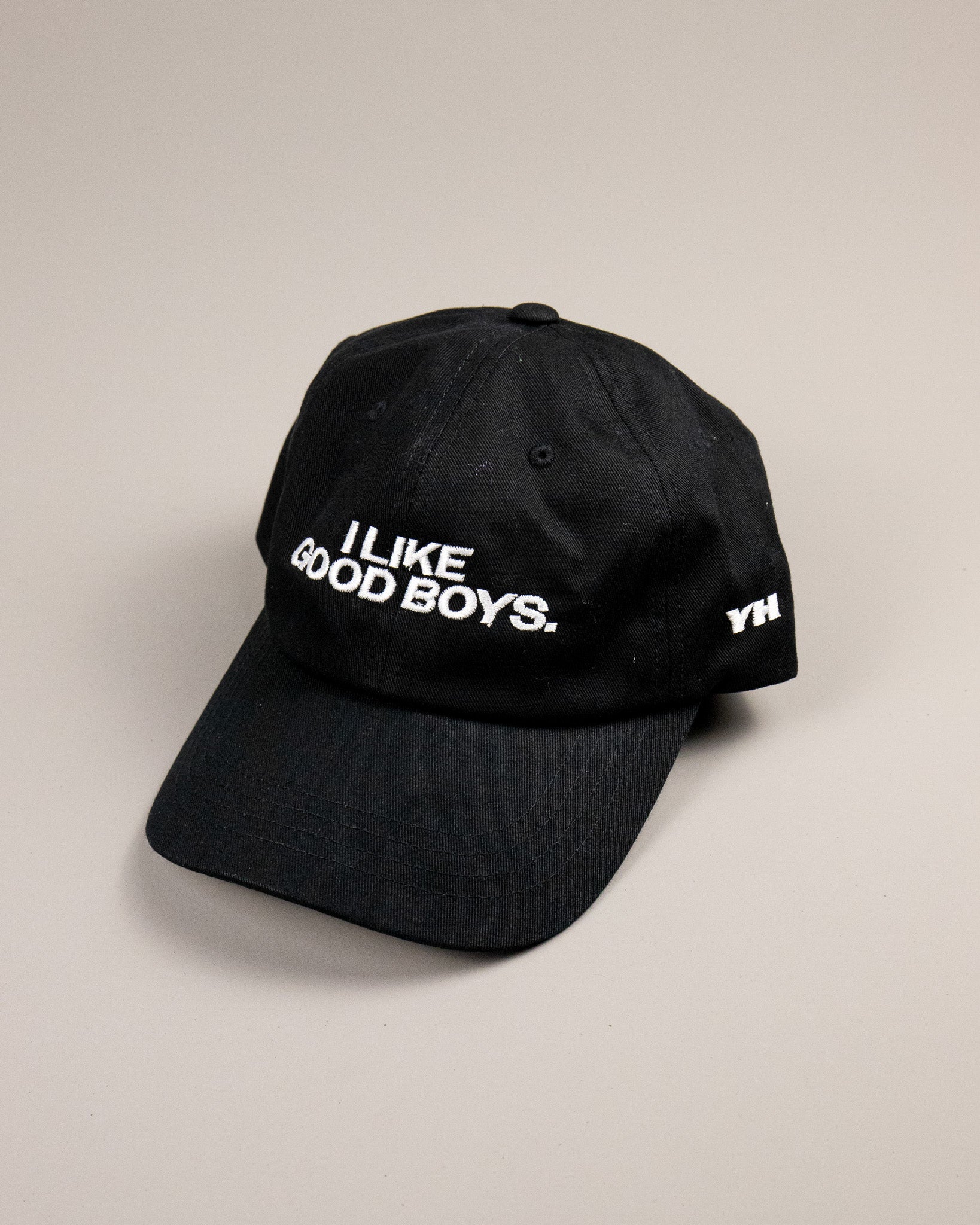


Who let the pups out: a field guide to queer kink's softest subculture
A field guide to one of the gay community's most joyful, most misunderstood, and quietly most liberating subcultures.
Walk into the right bar on the right night and you might spot them. Someone in a sleek neoprene hood with floppy ears, padding low to the ground, tail swishing, getting scratched behind the jaw by a grinning guy holding a leash. Maybe a whole pack of them, tumbling over each other on the dance floor, tugging a rope toy, barking with delight.
Meet the pups. They have been part of queer life for a long time, but the scene has exploded into visibility over the last decade, and a lot of people still have no idea what they are actually looking at. So let us clear a few things up.
What pup play actually is
At its simplest, pup play is a form of role play where a person steps into the persona, the energy, and sometimes the mannerisms of a dog. A pup might crawl, wrestle, play with toys, nuzzle, beg for treats, and generally trade the exhausting business of being a human adult for the pure, instinctive joy of being a very good boy.
That is the whole premise, and it is also the part people get wrong most often. Pup play is not about animals. It is humans playing, fully consensual, fully aware, choosing to drop into a headspace that feels freeing. Nobody in this scene is confused about being a person.
It lives under the broader umbrella of kink and leather culture, but here is the nuance that trips people up: it is a spectrum. For some pups the play is deeply sexual. For others it is entirely non-sexual, more like meditation, or therapy, or recess. Plenty of people sit somewhere in between depending on the night and the company. There is no single right way to be a pup.
The headspace
If you ask a pup what keeps them coming back, most will not lead with the gear or the kink. They will talk about "pup space."
Pup space (sometimes called pup headspace) is the mental state a pup drops into when they let go. Instinct takes over from intellect. The inner critic goes quiet. The to-do list, the inbox, the performance of competent adulthood, all of it gets to sit down for a while. People describe it as blissful, grounding, almost trance-like. It is the feeling of being completely present, completely held, and completely free of the pressure to be impressive.
That release is the real draw. In a community where so many of us learned early to be hypervigilant, polished, and on, the chance to be soft and silly and looked after is its own kind of radical.
The cast of characters
Pup play has a small, friendly vocabulary of roles. You do not have to pick one forever, and many people move between them.
The pup is the one in the headspace, doing the playing.
The handler is the human counterpart who cares for, guides, and sometimes trains the pup. Think structure, attention, affection, and the occasional firm "no." A good handler is part dom, part caretaker, part hype man.
A trainer focuses on teaching, shaping behavior and commands, often working with newer pups.
An alpha sits at the top of a pack's pecking order, while a stray is a pup without a handler or pack, roaming free until they find their people.
And then there is the pack itself: a chosen group of pups (and often their handlers) who play together, look out for each other, and frequently become something close to family. If you have ever wondered why the scene feels so tight-knit, this is why. Packs are found family with extra cuddling.
The gear
The hood is the icon. Usually neoprene or leather, sometimes with floppy ears, sometimes with upright ones, it is the single most recognizable piece of pup gear and the one that tends to launch the whole identity for new pups.
From there the kit can expand: knee pads for all that crawling, mitts or paws for the hands, a collar, a harness, and a tail (some clip on, some are the more adventurous plug variety). None of it is required. You can be a perfectly legitimate pup in a collar and nothing else, or in no gear at all. The gear is an amplifier, not an entry fee, even if the photos that go viral suggest otherwise.
A pack mosh and a bit of history
The roots of pup play run back through gay leather and BDSM culture, where animal role play has existed for decades. Over time it grew distinct enough to become its own scene, with its own etiquette, its own gear makers, and its own stars.
The community now has real institutions. There are pup contests and titles, including international competitions that crown a Mr Puppy, the way the leather world crowns its own. Online platforms helped the scene find each other and grow, turning what was once a niche corner of fetish life into a visible, social, surprisingly wholesome culture.
You will also hear about a mosh, sometimes a pup mosh or puppy pile: a group of pups let loose together to wrestle, chase toys, and roughhouse, usually supervised by handlers keeping an eye on the energy. It is exactly as chaotic and adorable as it sounds.
What it is not
Let us put a few myths down for good.
It is not always sexual. Assuming every pup is doing something explicit says more about the assumer than the pup. It is not bestiality. Full stop. This is humans role playing with other humans, and that distinction is non-negotiable to anyone in the scene. It is not an expensive hobby you are locked out of. A starter collar and an open mind will do. And it is not a fringe oddity. It is one of the warmest, most welcoming entry points into queer kink that exists right now.
So you are curious
Good. The scene has a reputation for being friendly to newcomers, and "stray" is a perfectly respectable thing to be while you figure it out. Most people start by lurking in community spaces online, going to a pup-friendly event, or simply talking to pups who are usually thrilled to explain it all to you.
The same rules that govern any kink govern this one: consent first, negotiation before play, honesty about what you want and do not want, and care for each other afterward. Beyond that, the only real requirement is a willingness to take yourself a little less seriously.
Which, honestly, most of us could use.
Glossary
- Pup: the one in the headspace, doing the playing.
- Handler: the human who cares for, guides, and trains a pup.
- Trainer: a pup-play educator focused on commands and behavior.
- Alpha: the top pup in a pack hierarchy.
- Stray: a pup with no handler or pack, currently solo.
- Pack: a chosen group of pups and handlers who play together.
- Pup space: the freeing, instinct-led headspace a pup drops into.
- Mosh / puppy pile: a supervised group play session, all wrestling and rope toys.
- Hood: the iconic neoprene or leather headpiece, ears optional.
- Mitts / paws: hand coverings that complete the pup look and keep you on all fours.
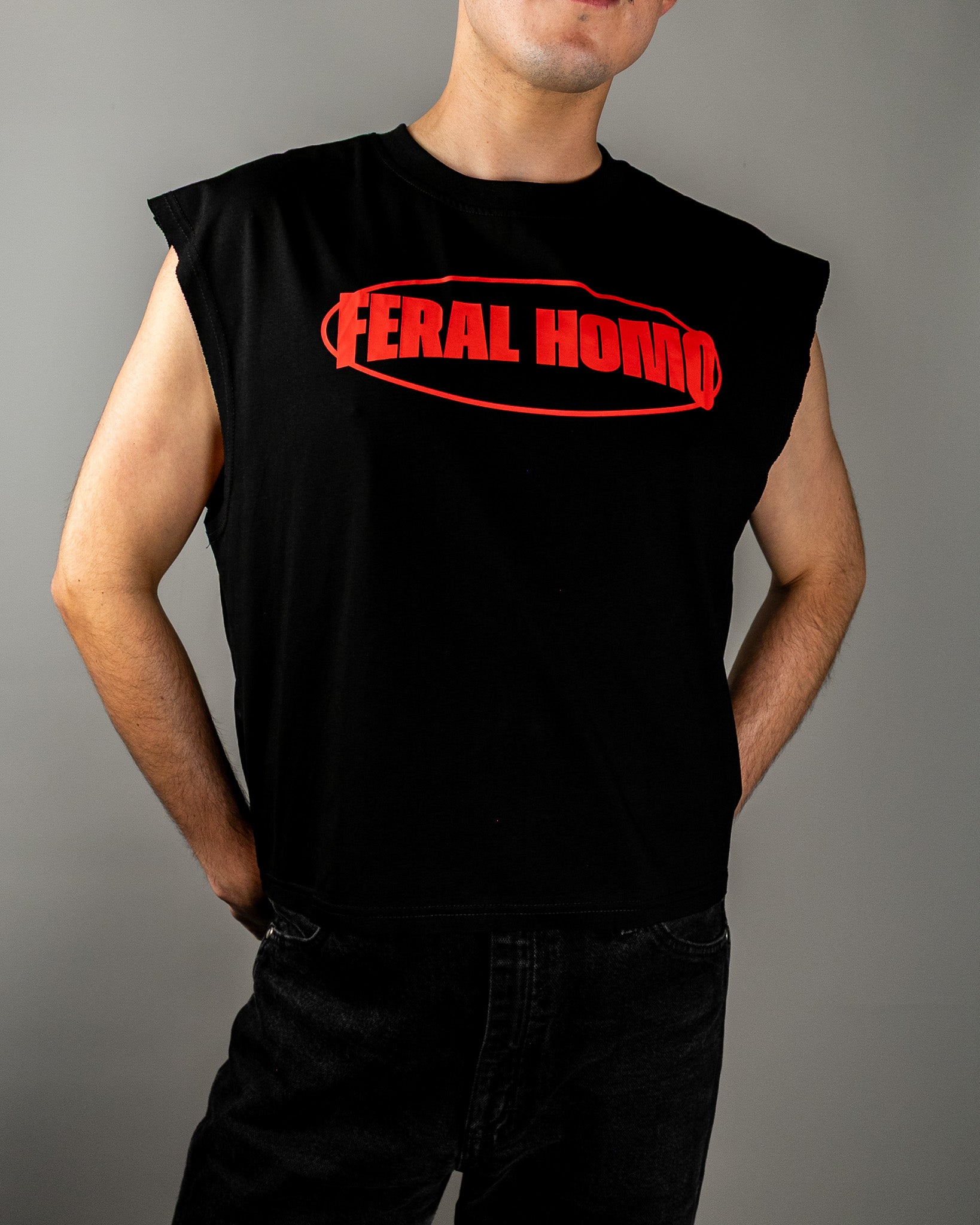
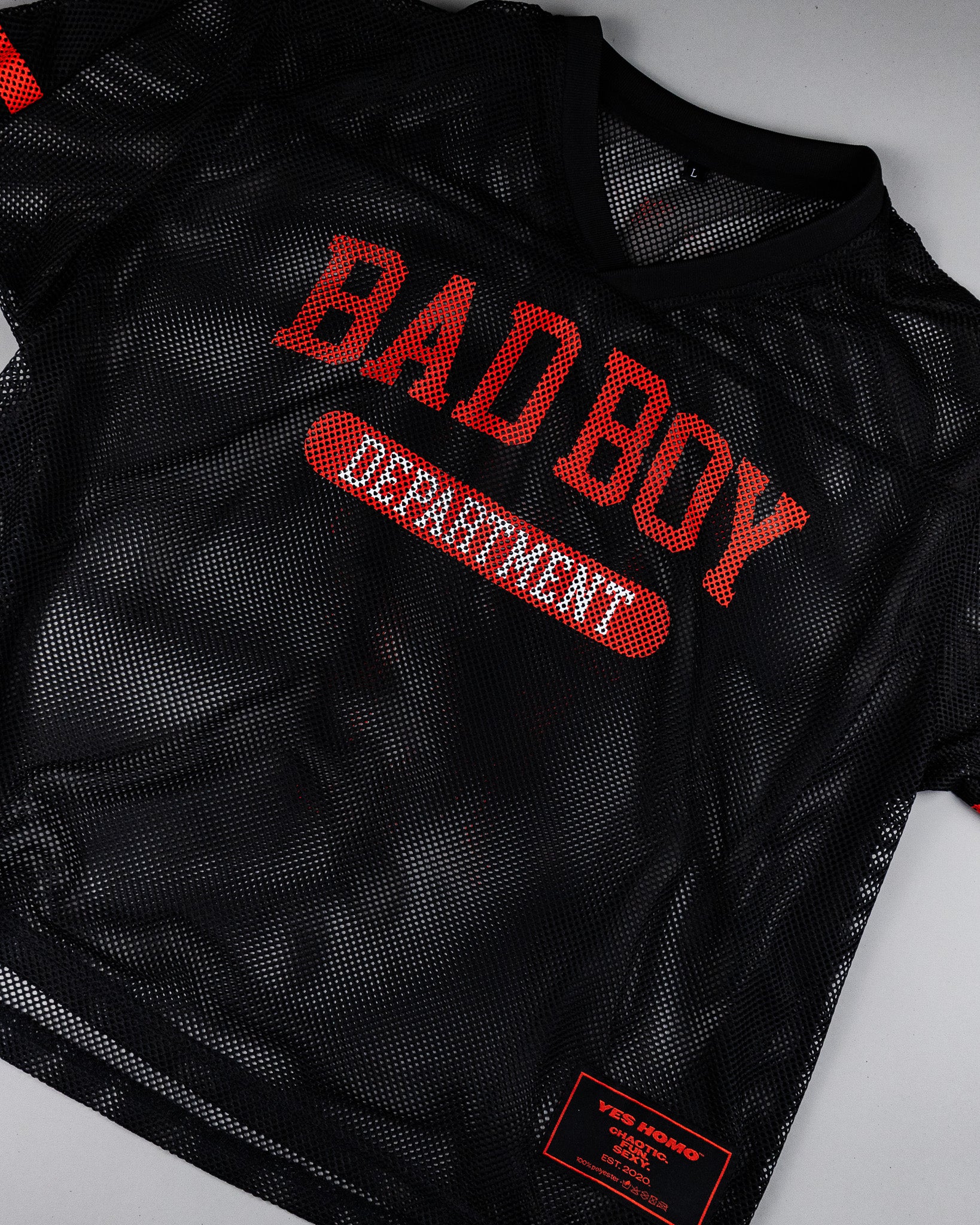
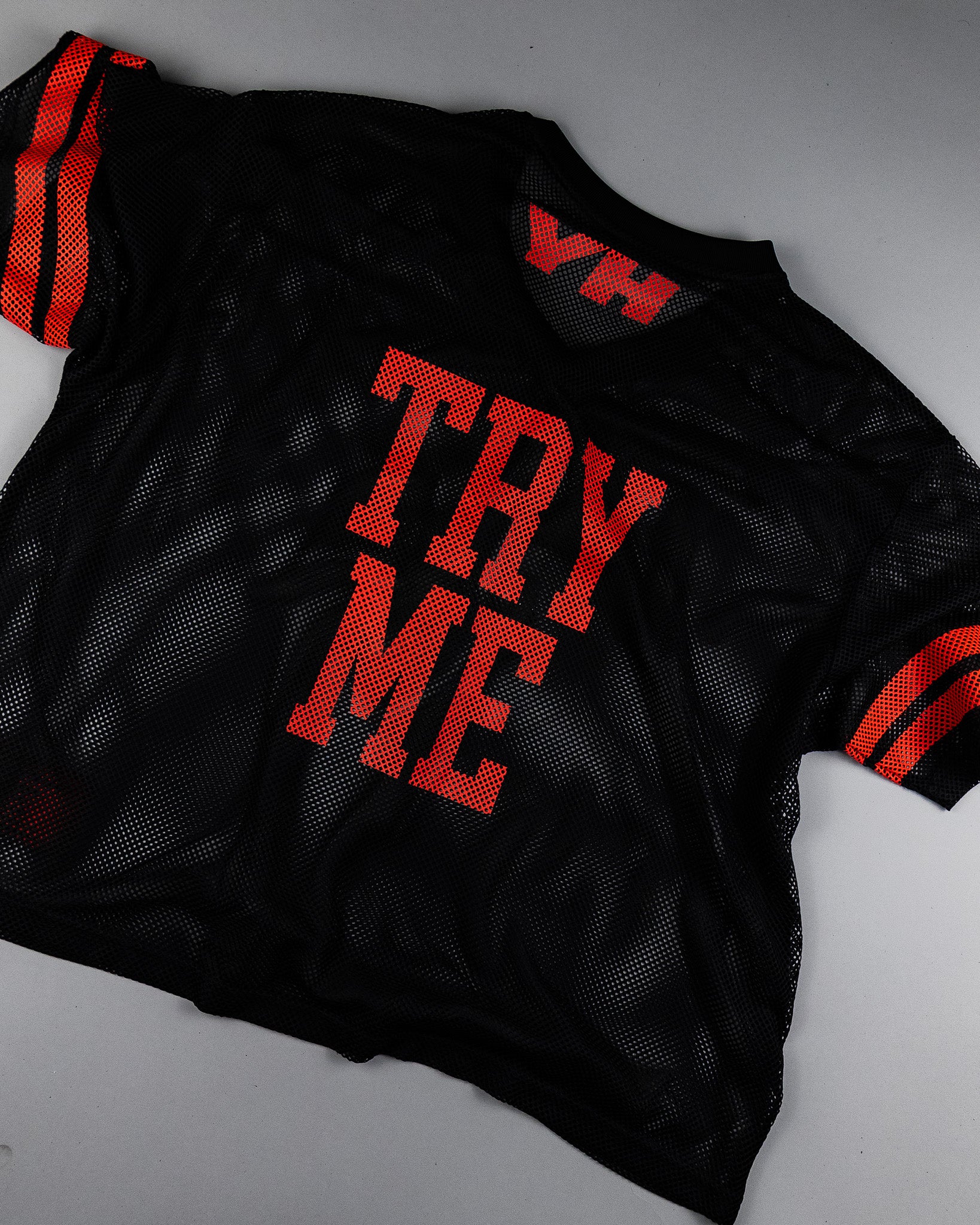
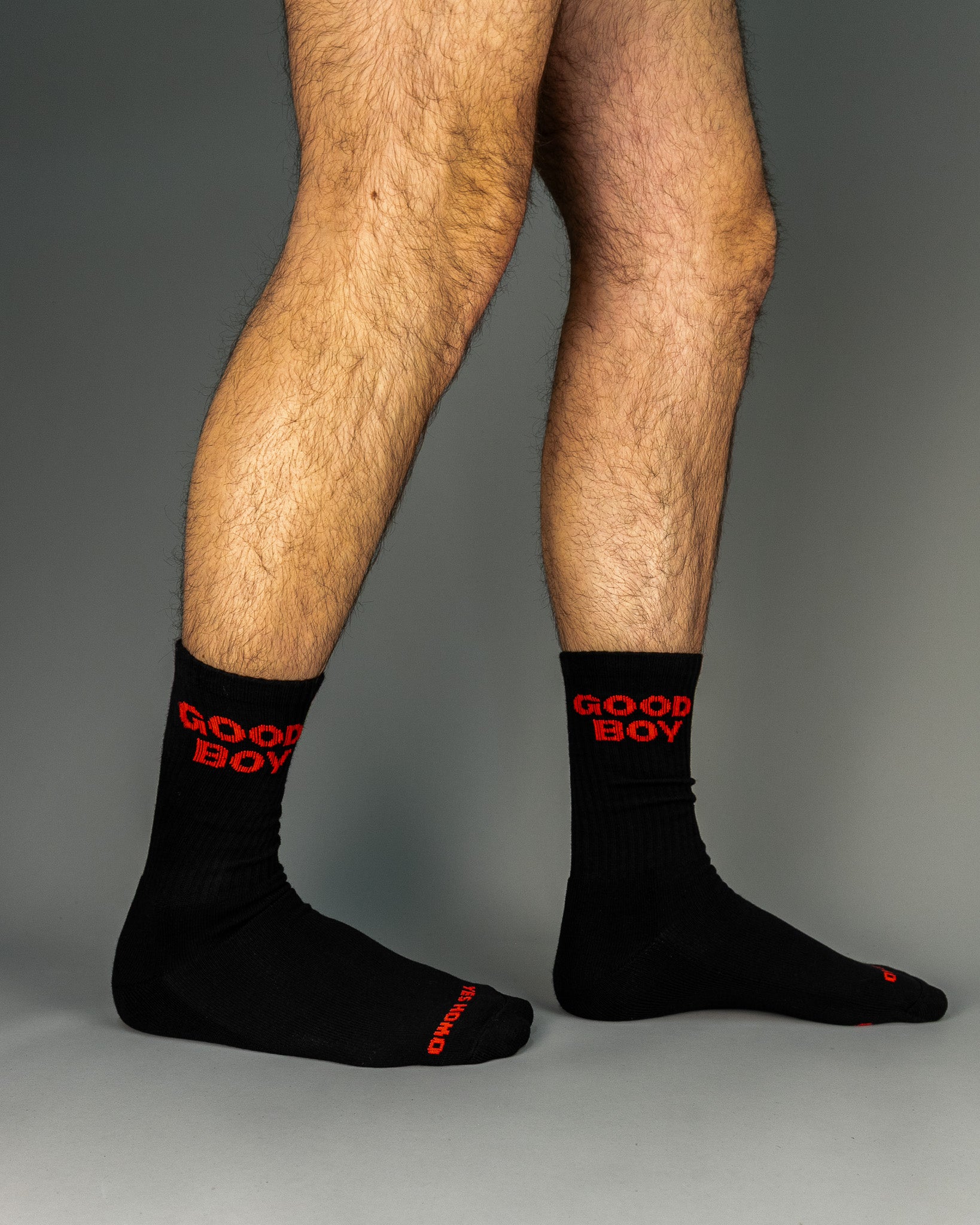
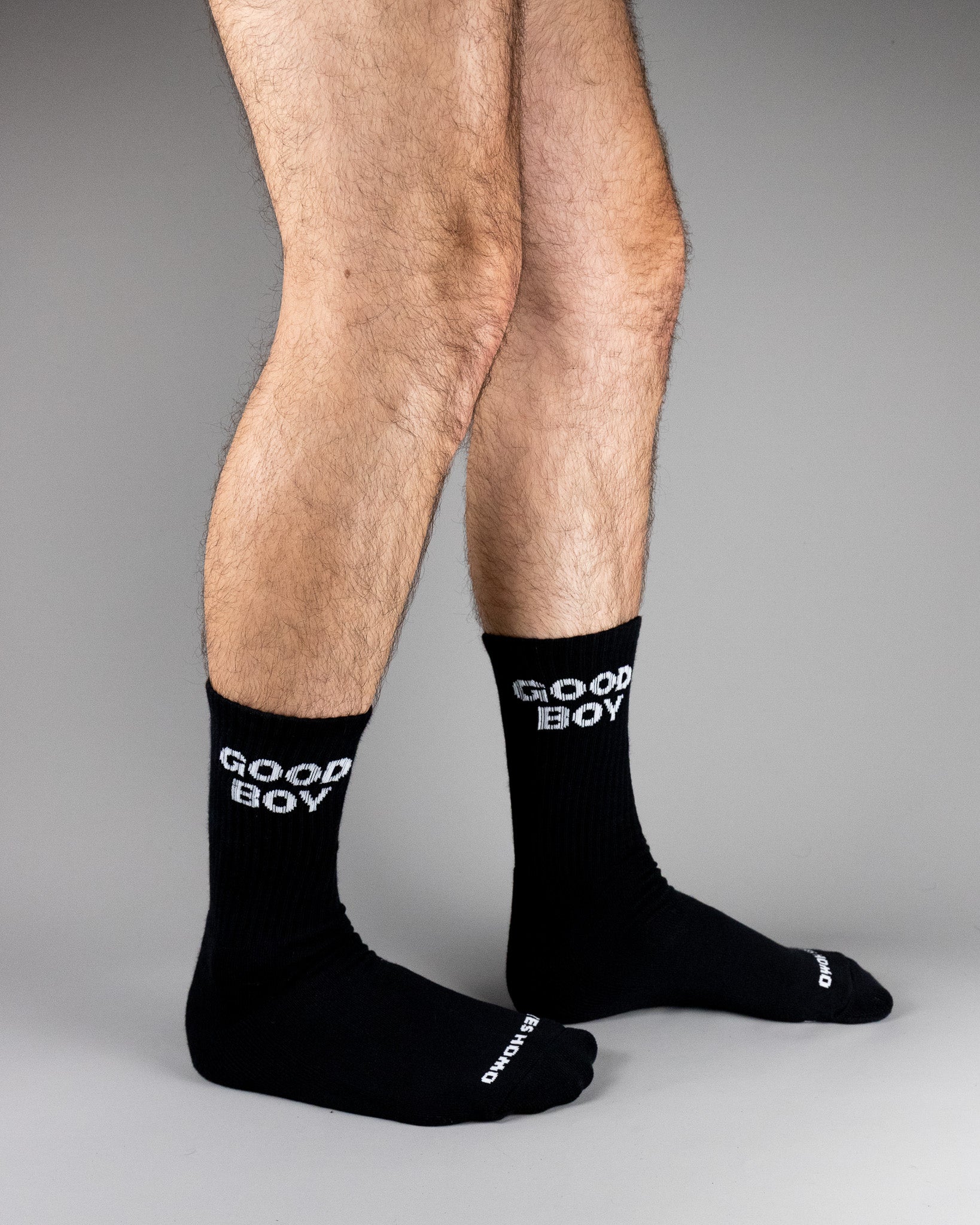
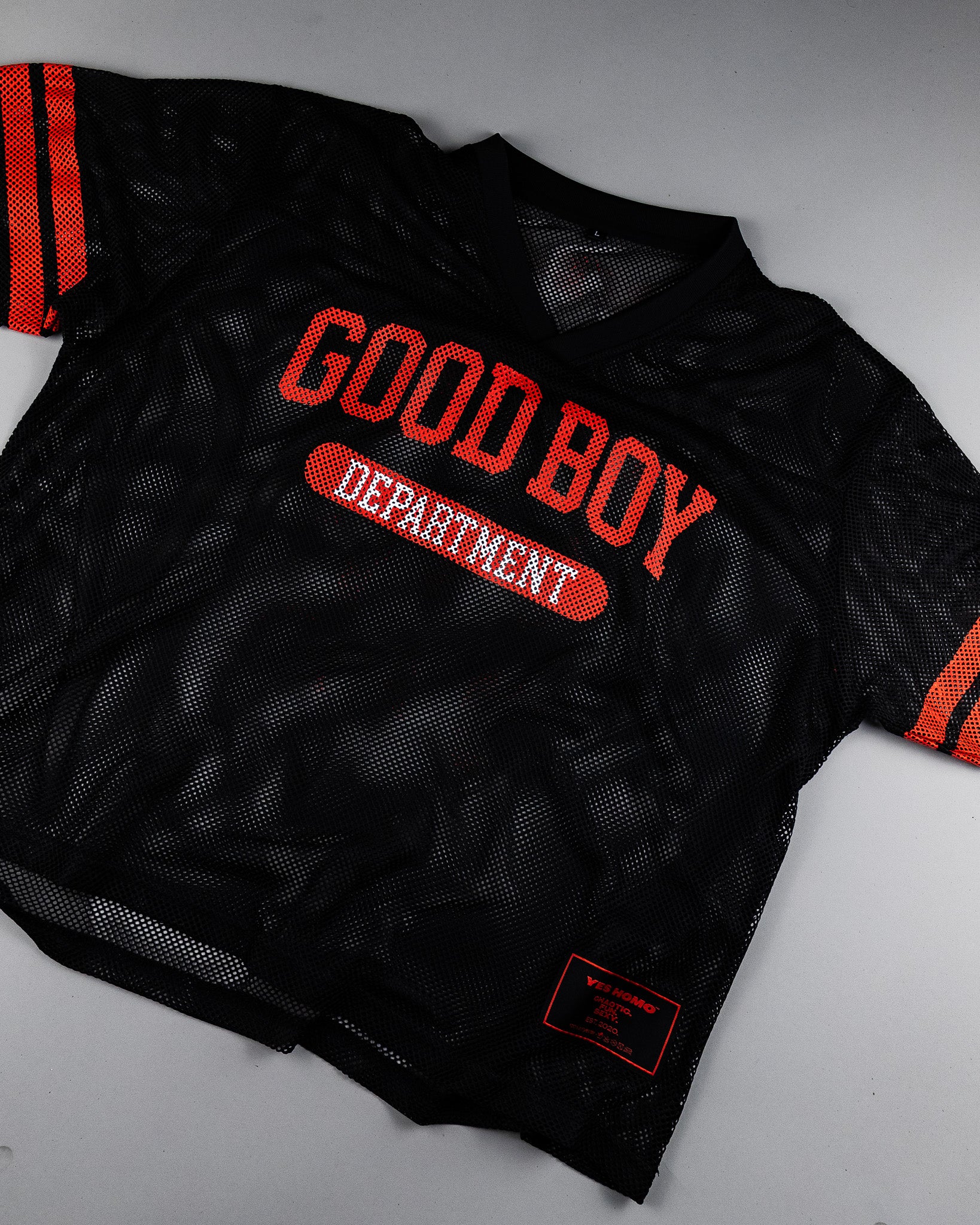
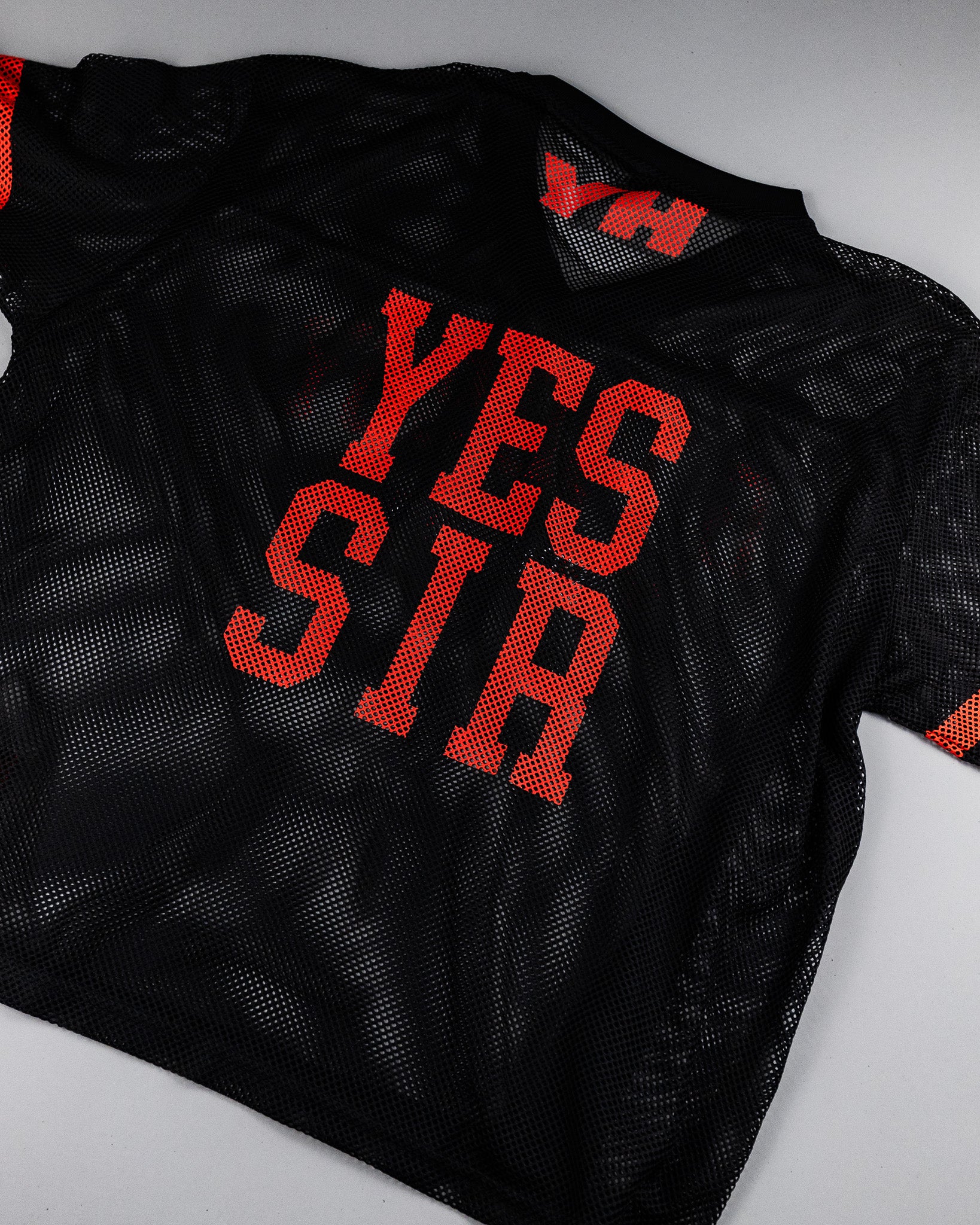
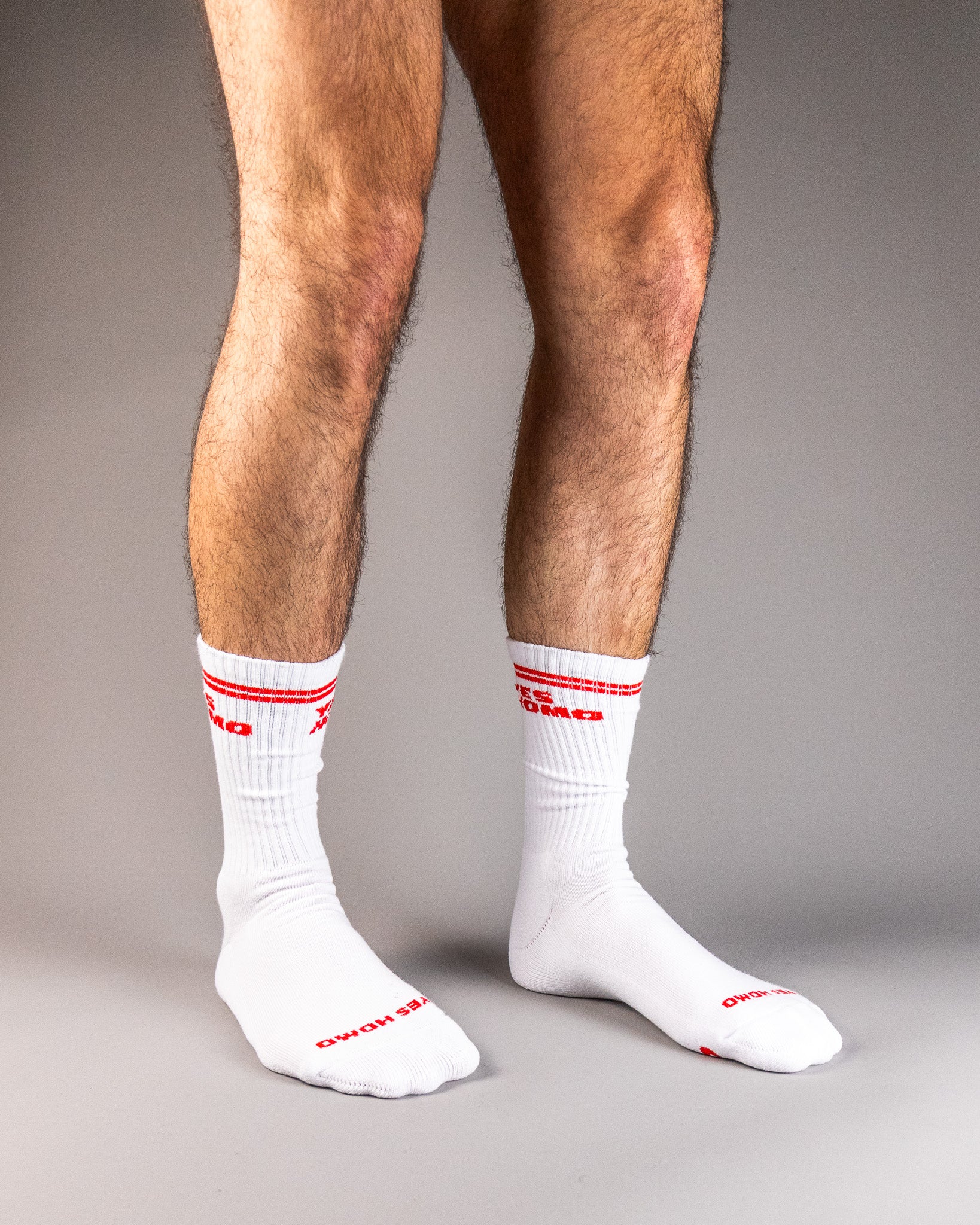
the homos have spoken. these are the hits.



Deixar comentário
Este site é protegido por hCaptcha e a Política de privacidade e os Termos de serviço do hCaptcha se aplicam.